


Building Psynex: 18 Months, and What It Taught Us About Relationships
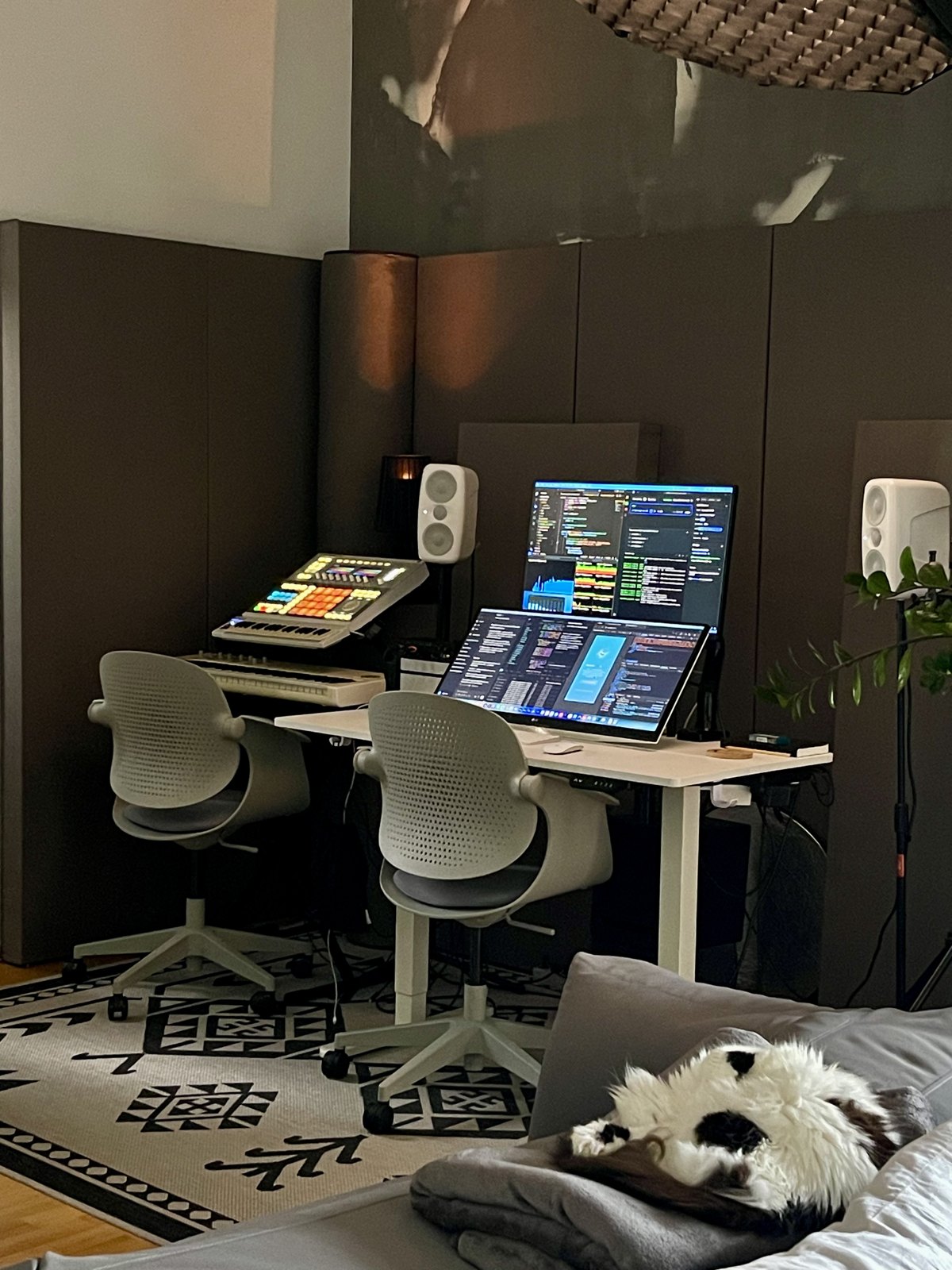
In 2024, a therapist gave Artem Cherkasov an assignment: write down ten qualities you want in the person next to you. He sat with a blank page and couldn't fill it.
Eighteen months later that blank page has turned into a team, ten startup programmes, two prototypes we built and rebuilt, and a product that still has no launch date. This is the whole story, in order, including the parts that didn't work.
It is also the more useful half: what building this changed in what we believe about relationships. Why we deleted the compatibility score. Why knowing your pattern is not the same as being able to change it. And the questions we now ask people a month later.
A blank page, and a pattern nobody had named
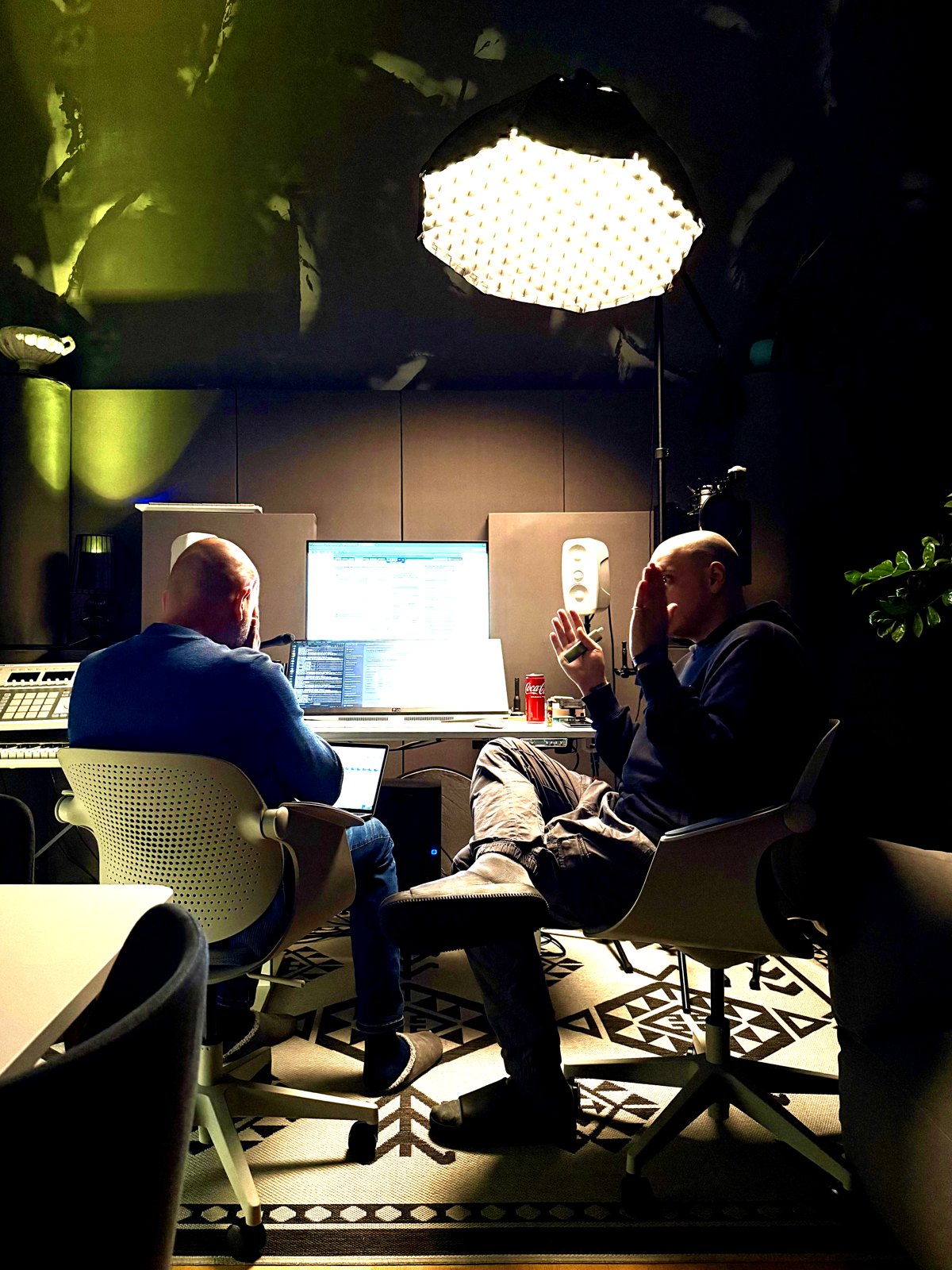
November 2025.
Artem was two sessions a week deep, sometimes three, after a divorce. The ten-qualities exercise is a standard one. What made it useful was failing it.
"I realised I had been choosing people by gut feeling my whole life and calling it fate," he says. "It wasn't just about who I chose. I was repeating a pattern I couldn't see."
The second thing the therapist said landed harder: doing the same thing twenty times and expecting a different result is a bad idea. That is what a pattern is. He had several.
What we take from this, and what you can take from it too. "Gut feeling" is rarely mystical. It is usually a rule you learned early, running fast and unexamined, choosing for you. You cannot ask for what you cannot name, which is why the blank page hurts and why it is worth sitting with. Naming is not a personality label. It is a description of what you tend to do when things get close, or tense, or uncertain.
So Artem did the only thing he knows how to do with a problem. He collected methodologies and trained a small model on psychology texts to work as an assistant between sessions. First on himself. A few months later, together with the woman he had started seeing, on the two of them. After four months he had two profiles side by side and one question he could not find answered anywhere: what happens when you analyse two people together, rather than one at a time?
Everything on the market for pairs was star signs and personality quizzes. Meanwhile, one in six people worldwide experiences loneliness, according to the WHO Commission on Social Connection report published in June 2025. That was the problem in view, not "better dating".
Then he showed it to friends, and every one of them asked the same question: can I do this too? Can my partner? That was the moment. Not the idea. The queue.
The working name was Mind X. Taken. On 25 February 2025, after a few thousand people in a Telegram chat voted on a shortlist, we bought psynex.app. Psy for psychology, N for "and", X for explore.
Ninety days, one apartment, one server
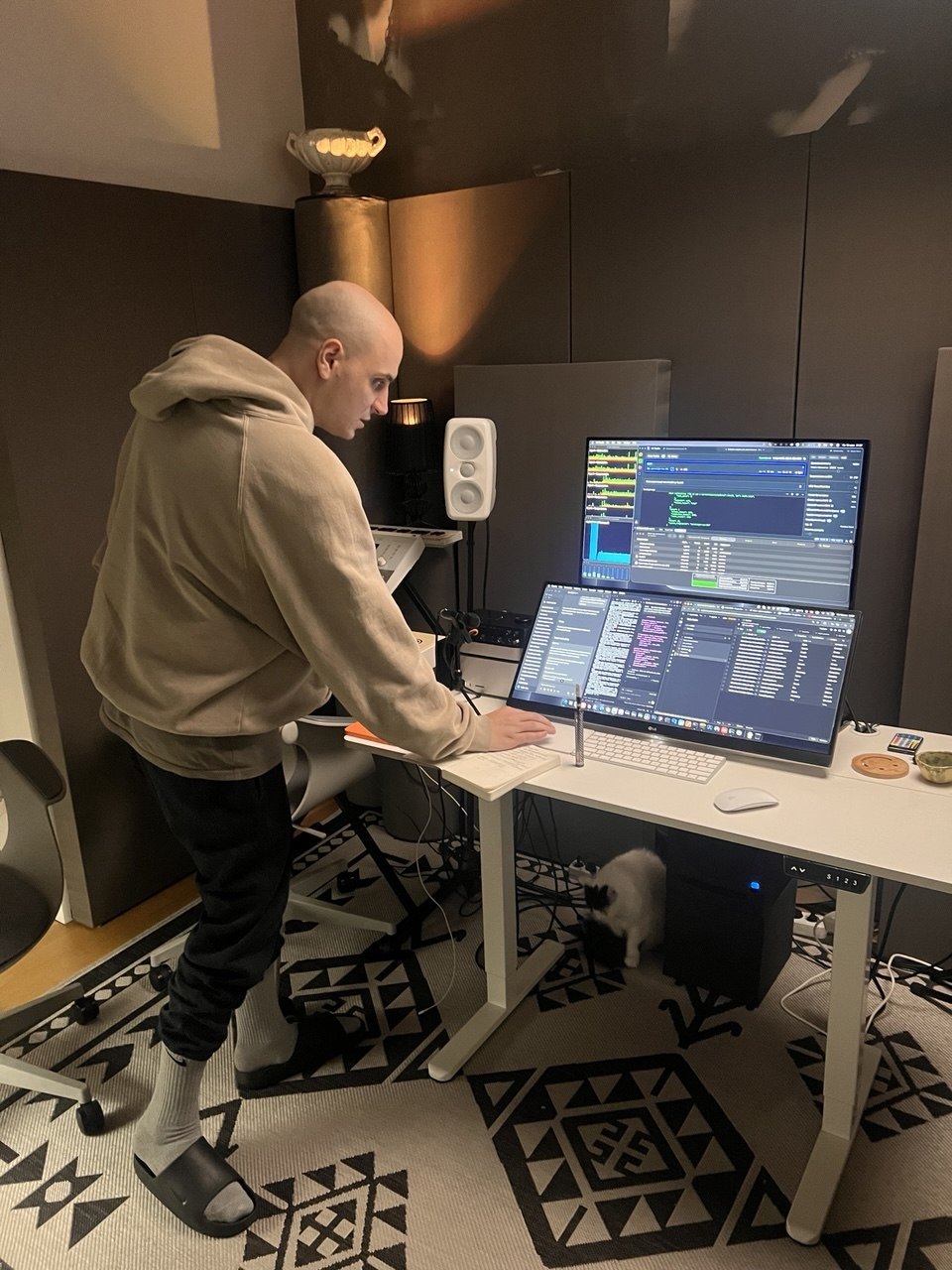
Ninety days, one room.
The first Psynex server ran in Artem's flat. Spring 2025: a set of tests, an engine that read the answers, a database, all of it on his own hardware. When the power went out, and in Kyiv it did, a battery station kept the box alive while he cooked on a gas burner next to it.
The days were twelve to seventeen hours, alone. Mornings were the best part: walk to the computer, read the night's logs, see who passed which test and what the engine wrote back. People were tapping on their phones somewhere in the city and you could watch the backend breathe.
The reading list mattered more than the code. Five Love Languages first. Then the Gottman Lab, whose research on what actually keeps couples close we later wrote about in our guide to the Gottman Method. Then the 2020 PNAS study by Samantha Joel and colleagues, which pooled 43 longitudinal studies and 11,196 couples and ran machine learning across all of it.
That study changed how we think about the whole category, so it is worth stating plainly. What people reported about the relationship itself, how satisfied and committed they perceived their partner to be, how appreciative they felt, predicted their current relationship quality far better than their individual traits did. Demographics barely mattered. And crucially, none of the models did well at predicting how a relationship would change over time. You can read the paper in full: Machine learning uncovers the most robust self-report predictors of relationship quality, Joel et al., PNAS 2020.
What we take from this. Auditing a person against a checklist of traits is the wrong instrument. What the evidence points at is the space between two people and what each of them does inside it. That is a very different thing to build, and a very different thing to work on.
Not everyone was encouraging. The psychologists Artem called told him he was a charlatan, that he wanted to replace them, that the methods and the questions and the interpretation were all wrong. "I was scared they were right. I kept building." One of them told him a year later that she had been wrong about it.
Two people at one table
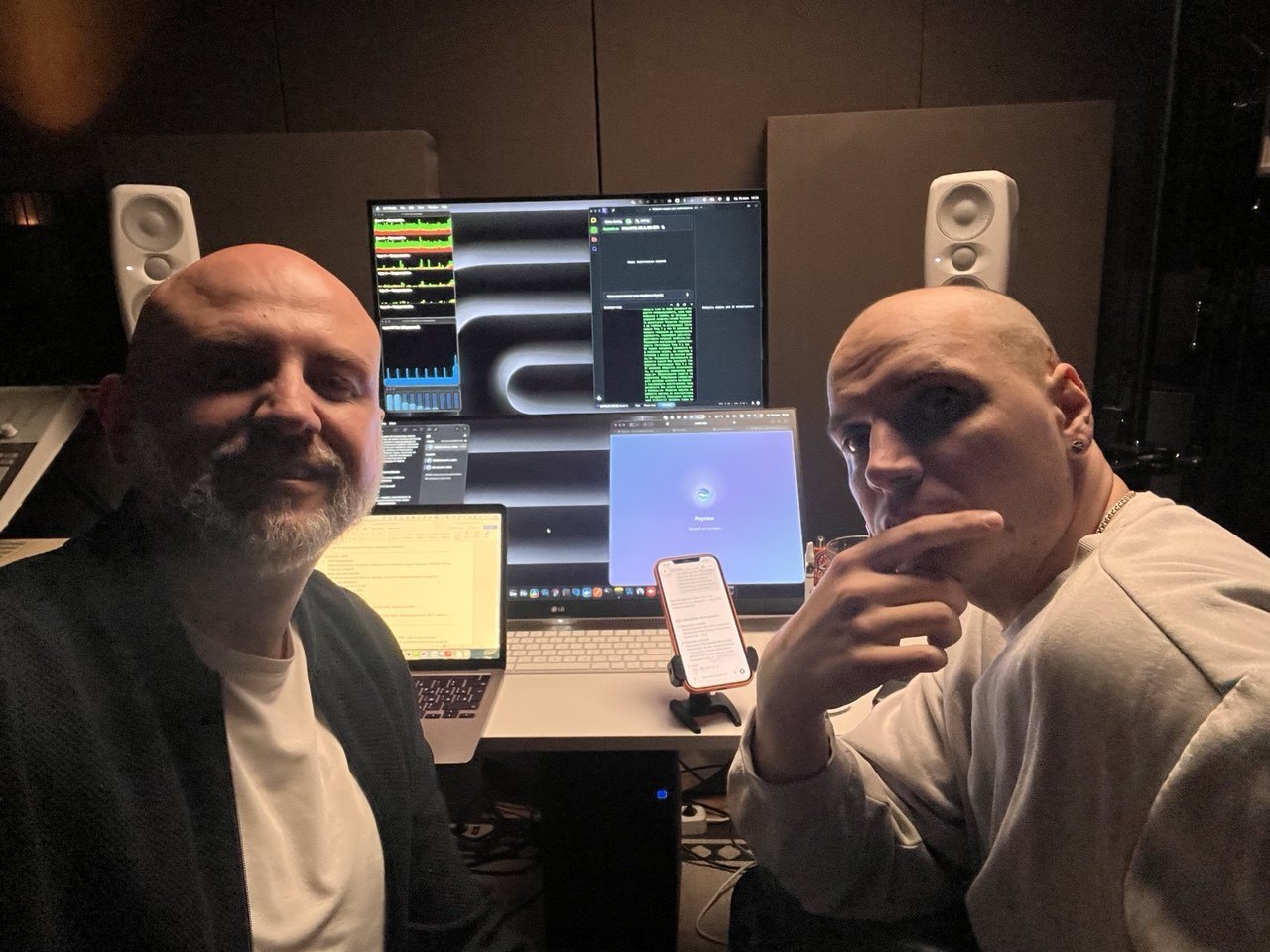
Where most of this happened.
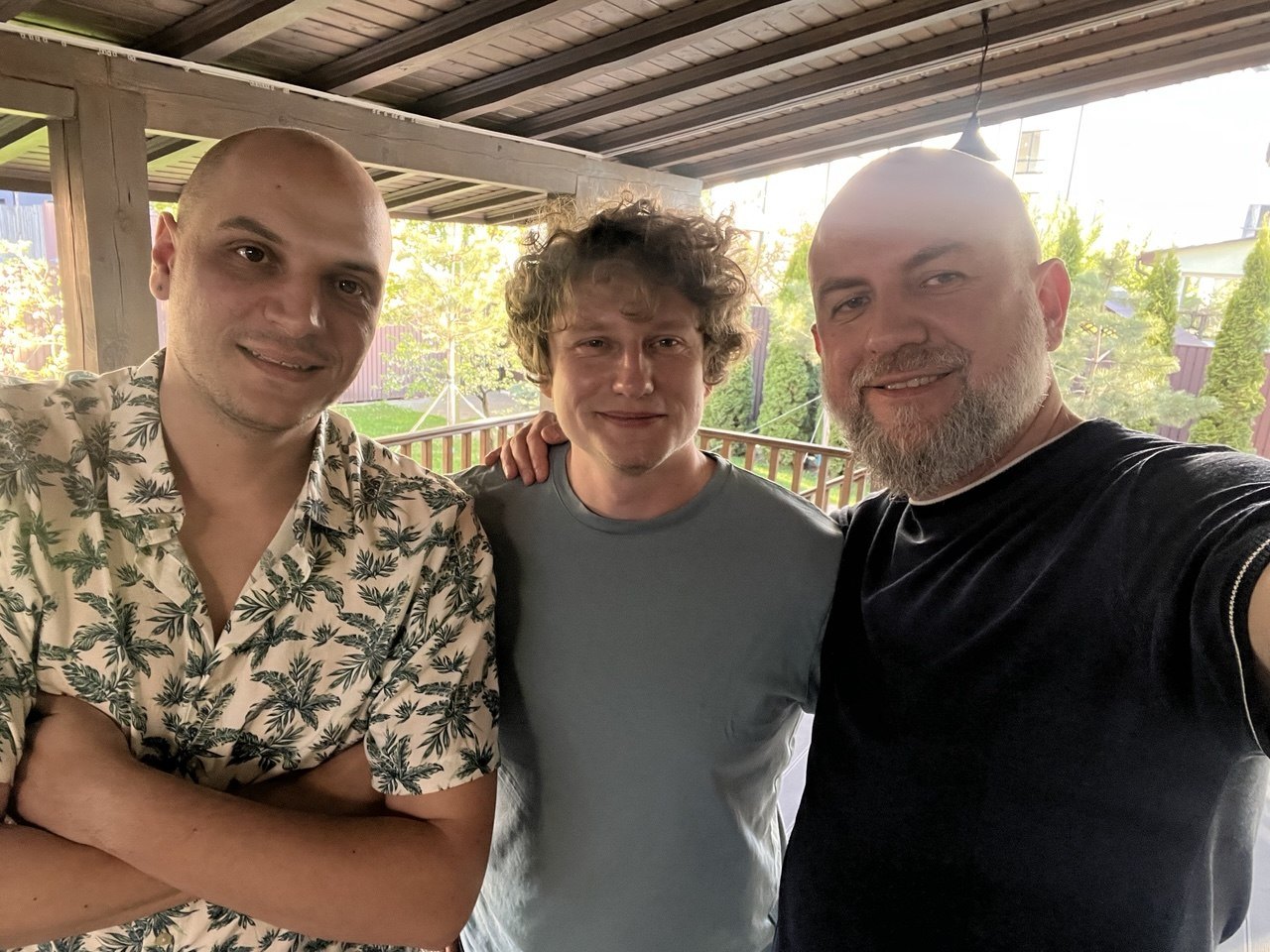
Artem and Oleksii Akimov met in 2015 doing events: one company built the stages, the other ran the shows. They have known each other since then and worked together for more than seven years, across dozens of projects.
Oleksii was the first person Artem told, back when there was nothing to pitch. No project, no agreement, no partnership, just a friend who kept listening almost every day. One thing hooked him: that a machine could help a person understand themselves. He was in therapy at the time and the question would not leave him alone, whether there has to be a human on the other side. His own answer, in the end, was yes. The machine's job is to bring you back to people better prepared.
His reason for joining was the part Artem had not considered. Fifteen years of agency marketing, always B2B, always building for someone else's business. His own agency, his own team, and never a product of his own. "In B2B your client is a company. Here you can see a person, and whether what you did changed something in her life for the better."
Then came the part of the story that turned into the sentence on our homepage.
Artem's own prototype had shown him his own pattern. When he is afraid of losing someone, he moves closer and pushes. The woman he was with, now his fiancée, does the opposite: when it gets close, she needs room. Anyone who has read about anxious and avoidant attachment patterns will recognise the loop immediately. The system saw it before either of them did.
And knowing about it did not switch it off. They had to practise, and they still do.
What we take from this, and it is the single most important thing in this article. Information is not ability. Being able to name your pattern in one sentence feels like progress, and it is, but it is the first ten per cent. The rest is repetition in real situations, usually with the person who triggers the pattern in the first place. That is where "relationships are a skill, not luck" comes from. A skill implies practice. Luck implies waiting.
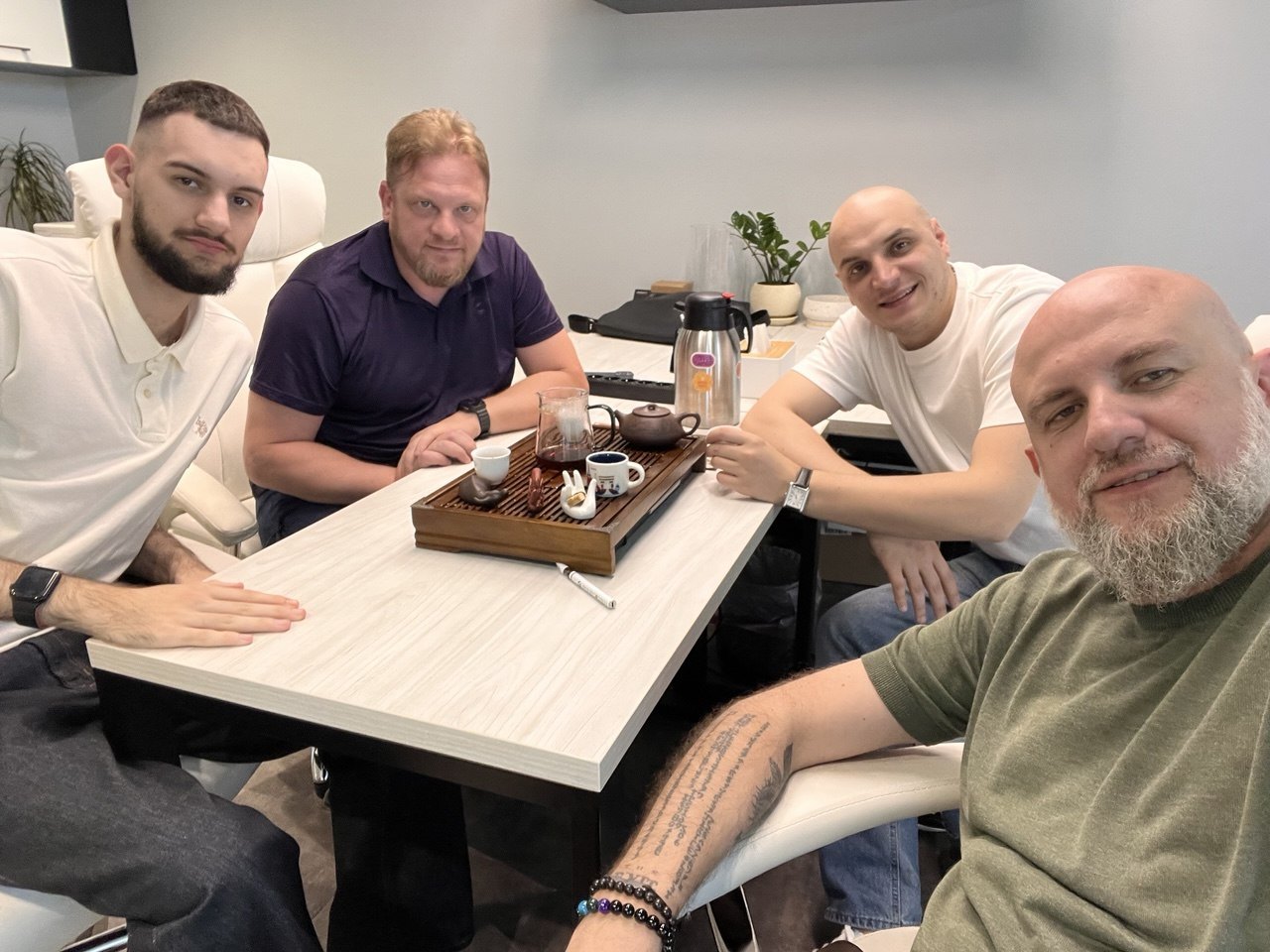
The team as it is now.
Five things we built and then deleted
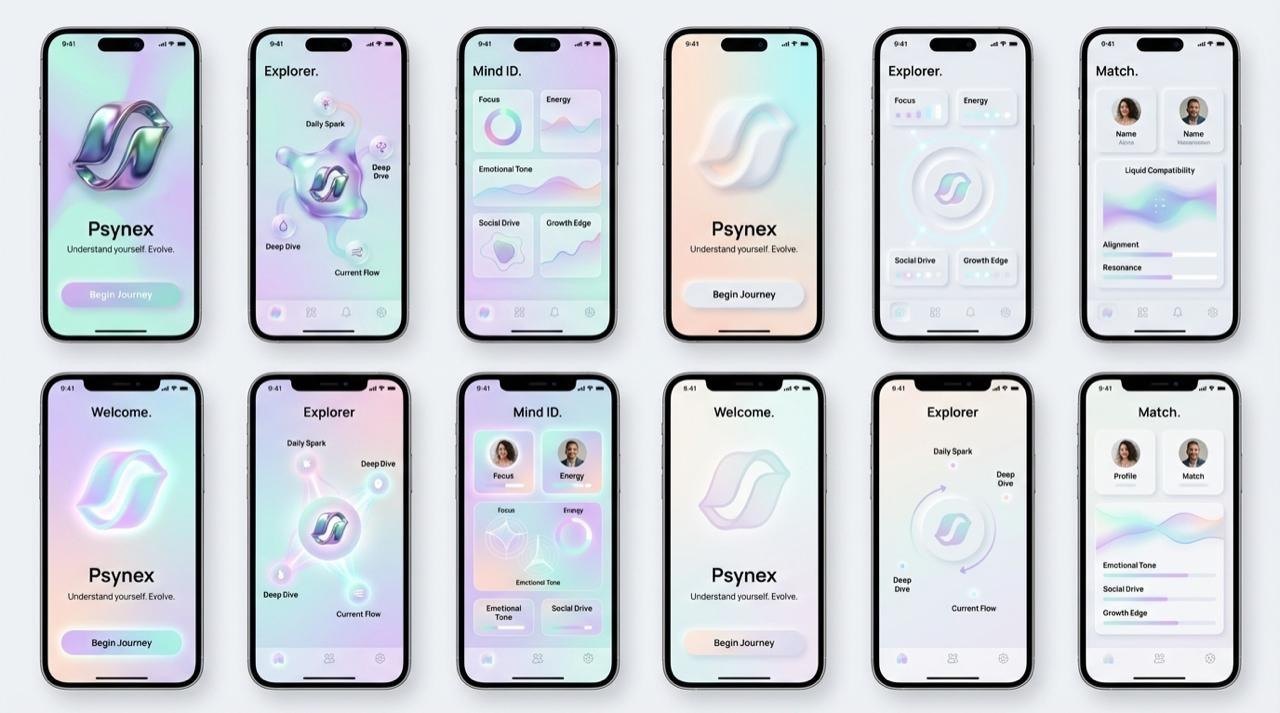
Screens that no longer exist.
Some of these hurt.
The compatibility percentage
The first prototype scored pairs out of 100. Then Artem tried to write down what 100 actually means, and couldn't. Nobody can. Two people can be psychologically similar and split because one wants children and the other wants Bali.
The number was a lie with good marketing, and it is the standard product in this category. If you have ever taken a compatibility test for couples and felt the result was both flattering and useless, that is why: a single score compresses away everything you would actually act on.
We replaced it with something less impressive and more usable: what you can build on, where you will have to negotiate, what you could grow together, what to watch for, and what is still unknown. The unknown is never presented as proof of a bad fit.
Forty questionnaires
Big Five, enneagram, socionics, even natal charts in the very first version, because Artem wanted every lens at once. Then he asked why anyone should sit through forty questionnaires. They shouldn't. Now the Explorer puts you into a situation, asks what you would do, and then asks why. Nothing is interpreted until you have finished, and you decide whether to keep the result.
The static report
A finished, beautiful document about you, handed over once. True the day it was written and stale a month later, because people change. It became Sphere: something you can turn, and that turns with you.
The separate journal
A place to write your life down, module by module. We designed ours, then noticed Sphere was already doing the job. Gone.
The mental health label
Artem read what regulators require of a therapeutic tool and understood in one evening that this is not what we are. We do not treat anything. We analyse what you tell us about yourself and show you what repeats and where it tends to lead. If what you need is a therapist, we want to be the step that gets you there.
What we mean when we say "happy"
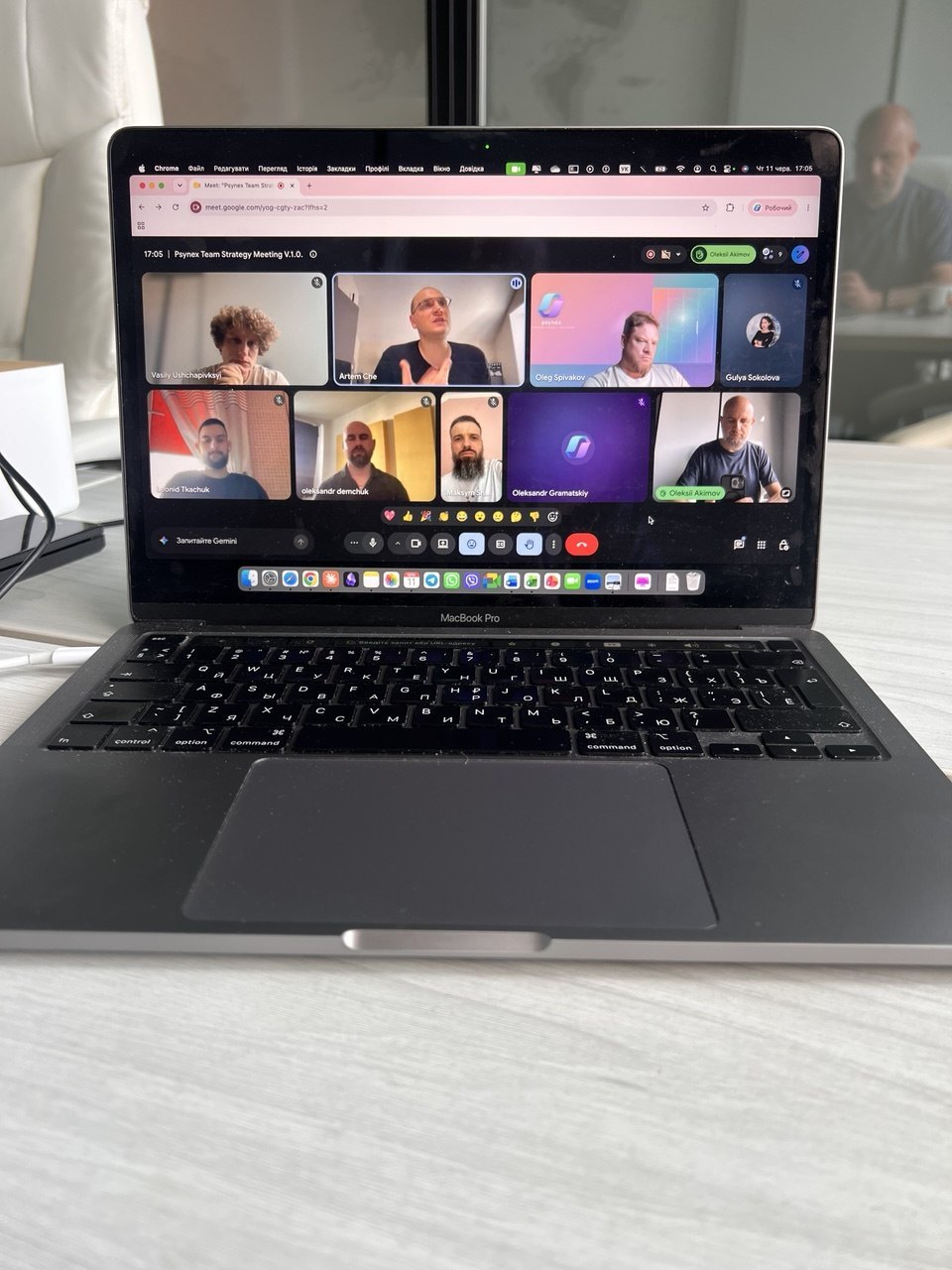
The reason has to be bigger than the next release.
Every team needs a reason bigger than the next release. Oleksii wrote ours down for the team long before it appeared on the site: happy relationships build a better world, starting with ours.
On the product side it comes down to one word: useful. Useful has a specific meaning for us. It changes the quality of a person's life. When that actually happens, people tell other people without being asked.
So how would we know a life changed? Not with a percentage. There is no such thing as 87% happy, and nobody can tell you what zero happiness would be. We ask directly, and then we ask again later: has anything changed since last month? Better or worse? In what exactly? If you want to run that habit without us, our list of relationship check-in questions is built on the same idea.
And "better" has to arrive in your own words, not ours. Calmer. Less afraid of a hard conversation. Closer to one specific person. We do not hand you a vocabulary for the good life; we ask you to find yours. Happy is not one of the words on that list. Happy is what shows up once the others are in place.
Between naming it and feeling it there is one step, and it is the whole product: the better you understand yourself, the more clearly you see your own patterns and what they do to the person across from you. Understand, then strengthen, then sustain, in love, friendship and business alike.
Ten programmes and a fifteen-minute pitch
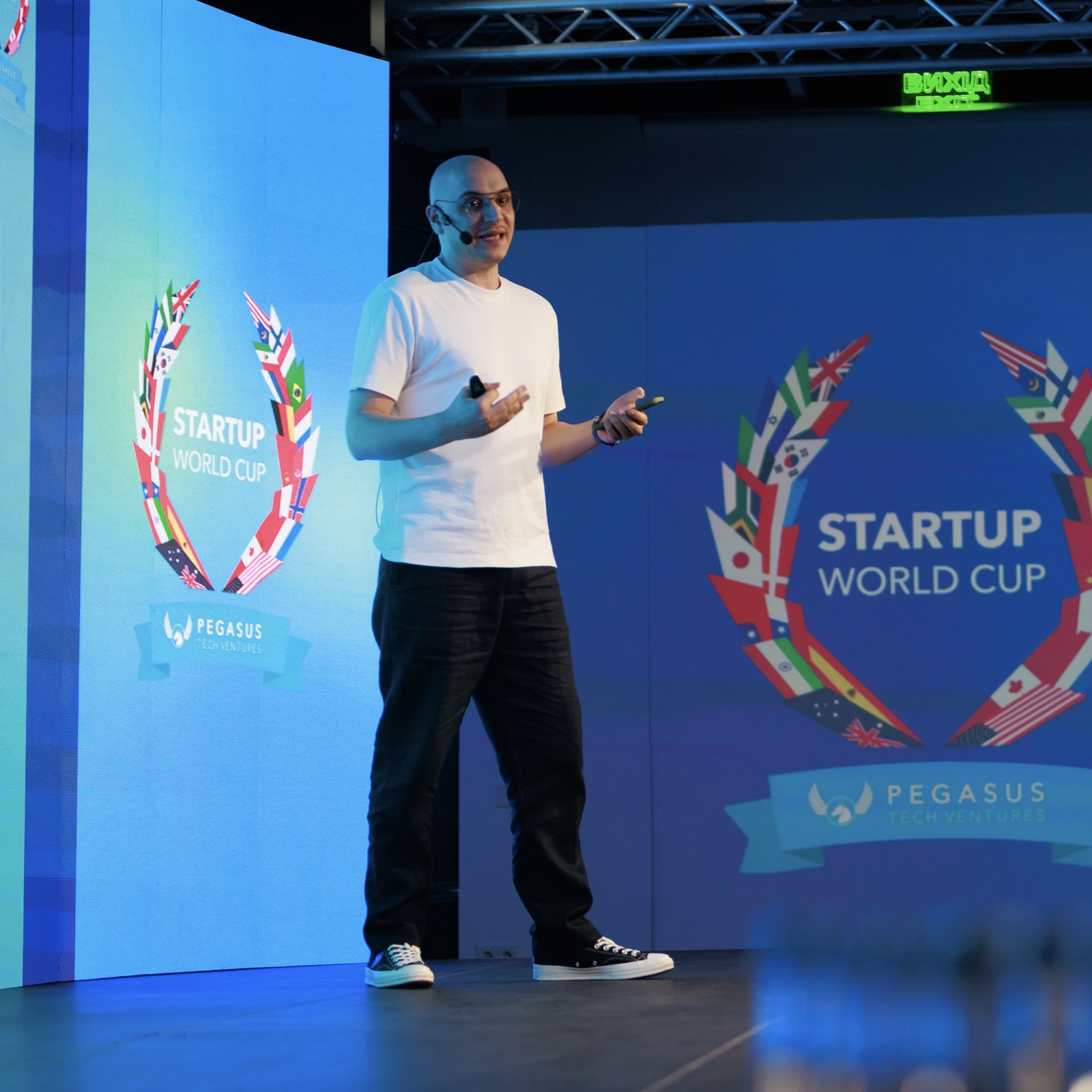
Four minutes planned, fifteen spoken.
Artem's first pitch was supposed to be four minutes. He spoke for fifteen, walked out proud, then sat down with the team and counted twenty-something slides and one question actually answered.
Twenty pitches later the lesson is unglamorous: confident beats complete. Ten startup programmes in eighteen months, and $300,400 in non-dilutive grants and infrastructure credits, among them NVIDIA Inception, Google Cloud for Startups, Microsoft for Startups, AWS Activate and Anthropic's Bootstrapped Founder program, with no equity given up for any of it. The full list is on our backers page.
Every application forced us to say the same thing shorter, until fifteen minutes became one sentence: Psynex is a relationship platform built on evidence-based psychology. It helps you understand the patterns you bring into relationships, then build connections that last, in love, friendship and business.
How the idea became a product, twice
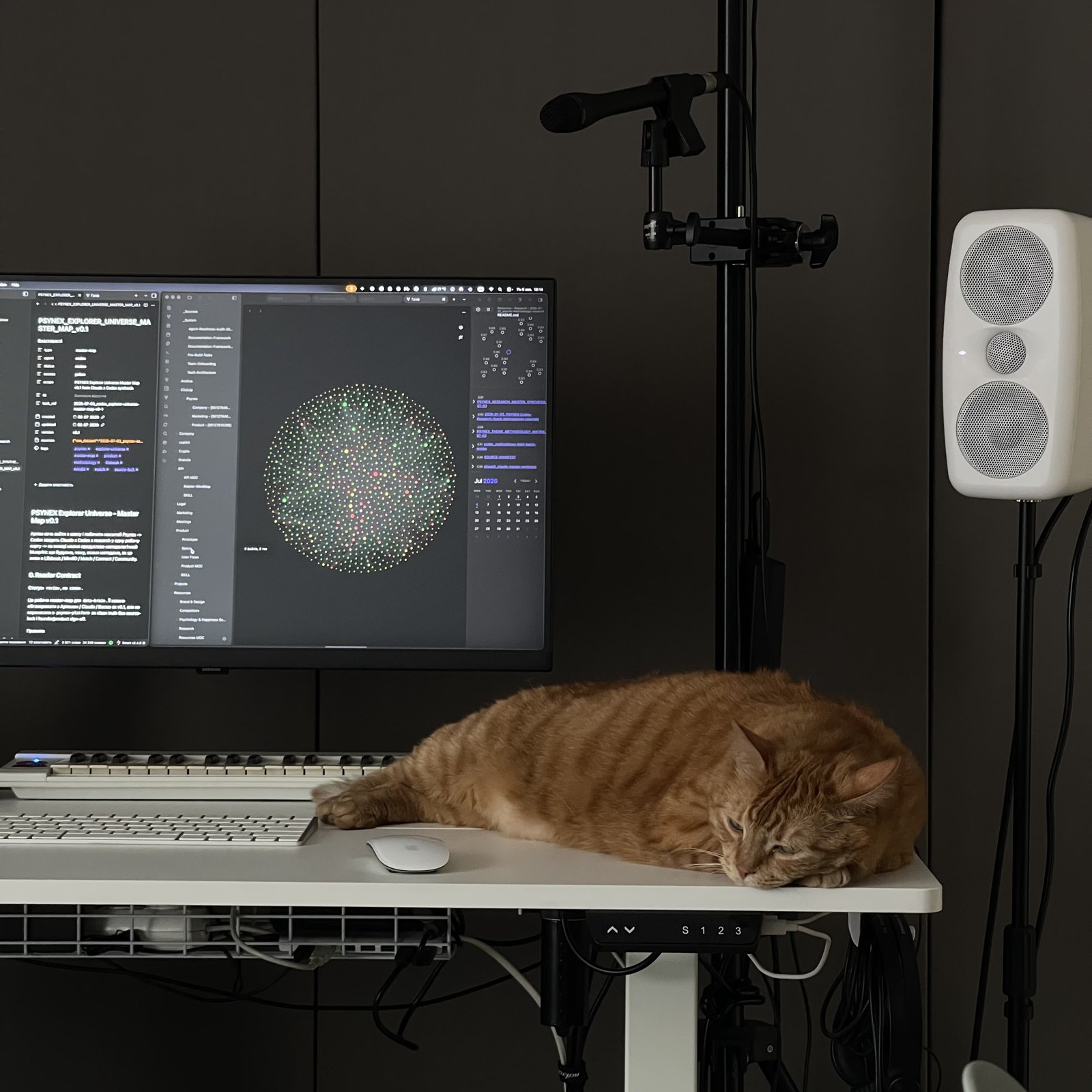
Sphere, the thing that replaced the static report.
We went through two stages of R&D: a first prototype tested with participants, then a second prototype, tested again.
The first was the classic thing, a battery of questionnaires and a finished report at the end. The sessions told us two things Artem did not want to hear. People did not get through forty questions. And the ones who did had nothing to come back for, because the report aged.
So the second prototype changed the two things at the centre. Questionnaires became situations you walk through: you choose, then you say why. The static report became Sphere, which keeps moving as you do. The compatibility score did not survive that round either. Then Vasyl, twelve years in development, made the whole thing hold end to end.
Here is what is inside, in plain words. Explorer is the situations you walk through, the choices you make, and the why behind them. MindID is the private record of what you have learned about yourself and chose to keep, yours alone, not a public profile and not a personality type. Sphere is where your history lives: what repeats and what changes. Connect and Match are the part where other people come in.
The rule under all of it is a mirror, not a grade. We show you what your answers say; we do not score you. It is the same principle we apply to the quizzes on this blog, including the attachment style quiz, where the result is a starting point rather than a verdict. And the search itself never reads your private results, only what you chose to publish.
Writing the whole system out for the team last month surfaced 27 problems. Here is one. Match had a preview and a full version, but the road between them through Connect was described nowhere. So we designed it: two people show interest, the system prepares an honest read of the pair, both read it, and only when both say yes does the chat open. Consent on both sides, built into the flow instead of buried in the terms of service.
That, it turns out, is what looking at two people together actually means. Not a number. One honest page, read by both.
Join the waitlist if you want to be in the room when that opens.
Where we are, honestly
Still no launch date.
The status as we would tell a friend, not an investor.
Ready: the Explorer engine, the ranks you earn by working on yourself, and personalization that reads what you say about yourself and builds on it. Described but not yet lived in: Sphere. It exists on paper, and what a person takes out of it after a week is still a question mark. Not done: the filtering inside Connect, the last open block before the whole thing runs end to end.
Then about a month of development and our own QA, then outside testers who know how to break software, then psychologists, because the themes we cover need a professional's eye. We want at least one safety advisor who has worked in that world for years.
That is why there is no launch date. Naming one before Connect is finished would be a marketing decision, not a product one.
People ask whether this is just another app for meeting people. Oleksii answers it better than we do: meeting people is one function here, not the point. Psynex starts a step earlier, with the pattern you would otherwise repeat with whoever you meet. An app built for meeting people earns while you are single; we earn while you keep going, so it is in our interest that things work out for you.
Not a swipe game. Not a companion bot. Not therapy. Psynex is not a medical, mental-health or diagnostic service, and if things are genuinely bad right now, please talk to a professional rather than a product. In the US you can call or text 988 to reach the Suicide & Crisis Lifeline, and the National Domestic Violence Hotline is 1-800-799-7233. Wherever you are, a local crisis line or a licensed therapist, findable through directories such as Psychology Today, is the right first call.
Five things we believe now that we didn't eighteen months ago
A single compatibility number cannot be honest. Anything that compresses two people into one score has thrown away the part you would actually act on. Ask what the number is made of, and watch what happens.
The relationship is a better predictor than the people in it. The strongest self-report predictors of relationship quality describe the relationship, not the individuals. Stop auditioning candidates against a trait list.
Patterns are not types. A type is a box you are in. A pattern is something you do, which means it can be seen, interrupted and practised. Everything we build assumes the second.
Knowing is not doing. The moment a system named Artem's loop, the loop did not stop. Insight is the cheap part. Repetition in real situations is the expensive part, and it is where the change actually happens.
"Better" only counts in your own words. Calmer, braver in hard conversations, closer to one specific person. If a product tells you what better should look like, it is measuring itself, not you.
Read the series
We are publishing this story as nine episodes, one every Thursday from 10 September to 5 November 2026, in Artem's own voice and with real photos from each period. Episode one is the blank page. Episode nine is where we are the week it goes out.
Follow #BuildingPsynex on LinkedIn, Facebook and X, or come back here: this page is the full version, and it stays up to date as the series runs.
If any of this sounds like the thing you have been looking for, join the waitlist and we will write to you when we open.
Frequently asked questions
No. Meeting people is one function, not the point. Psynex starts a step earlier, with the patterns you bring into relationships, and those patterns show up in friendships and at work as much as in romance. An app built for meeting people earns money while you stay single. We earn while you keep going.
Neither. Psynex is not a medical, mental-health or diagnostic service. We analyse what you tell us about yourself and show you what repeats and where it tends to lead. If what you need is a therapist, we want to be the step that gets you there.
Because we could not define what a perfect score would mean, and neither can anyone else. Two people can be psychologically similar and still want incompatible lives. Instead of one number you get what you can build on, where you will need to negotiate, what to watch for, and what is still unknown.
There is no date yet, on purpose. The filtering inside Connect is still open, and after that comes QA, outside testers and review by psychologists. Announcing a date before the product is finished would be a marketing move. The waitlist is the fastest way to hear first.
This page is the full version. The nine-episode series runs every Thursday from 10 September to 5 November 2026 under the hashtag #BuildingPsynex on LinkedIn, Facebook and X.
Psynex is a relationship platform built on evidence-based psychology. It is not a medical, mental-health or diagnostic service. 18+.